UHMW molded profiles and machined parts give OEM and MRO buyers a cost-efficient route to metal replacement without giving up wear life. Both routes start from the same ultra-high molecular weight polyethylene stock, so the choice comes down to volume and geometry...

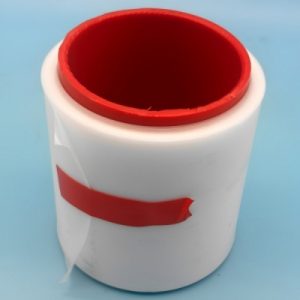
Compression molded and extruded profiles cover the long, constant-section parts where tooling cost is paid back quickly: conveyor guides, belt scrapers, chain rails and wear plates.
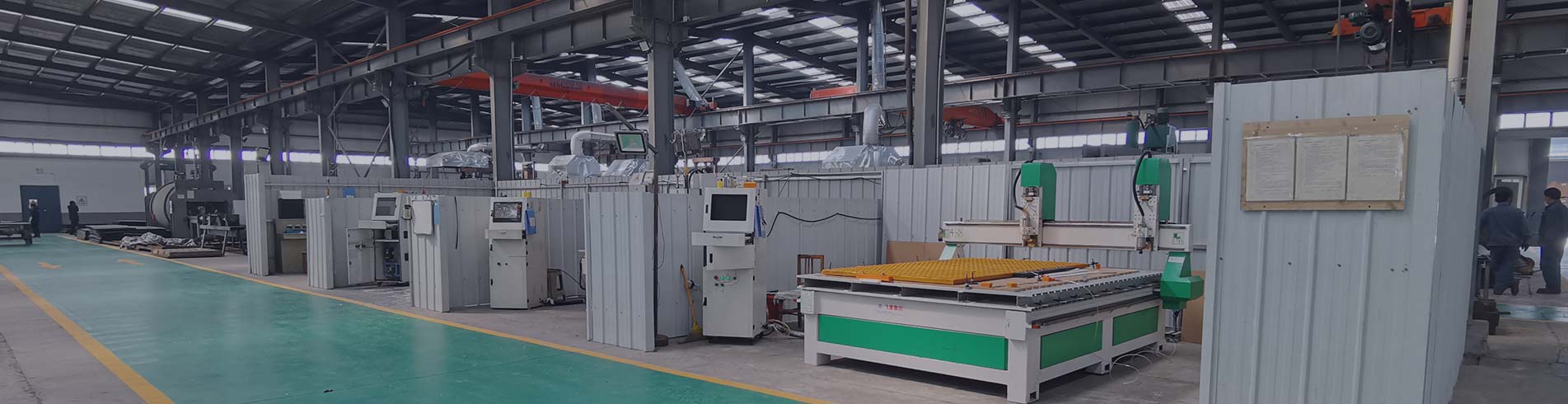
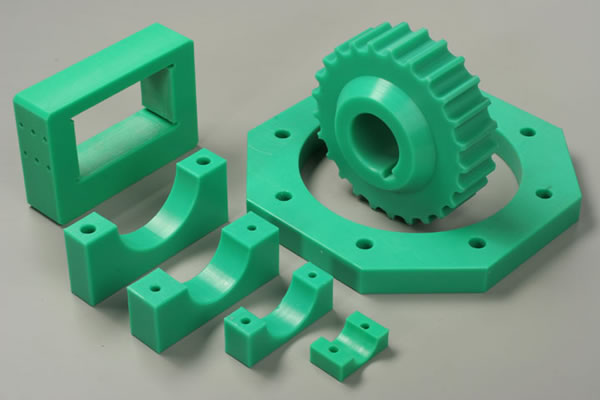
CNC-machined components are cut from stress-relieved UHMWPE sheet, rod and bar when the geometry is complex, the batch is small, or the tolerance is tighter than a molding tool can hold: gears, sprockets, bearings and valves.
Molding pays off above roughly a few hundred identical parts: the tool is amortized and the unit price drops well below machining. Below that volume, or when the drawing changes often, machining from stock sheet and rod is faster and carries no tooling commitment. Send the drawing and the annual quantity and we will confirm which route holds the lower landed cost.
| Route | Best for | Typical lead time | Tolerance |
|---|---|---|---|
| Compression moulded profile | Long constant sections, repeat orders | 15 - 25 days incl. tooling | +/- 0.5 mm |
| Extruded profile | Standard sections in 2 m / 3 m lengths | 7 - 15 days | +/- 0.5 mm |
| CNC machined from plate | Custom geometry, small batches | 10 - 18 days | +/- 0.1 mm |
| Waterjet / saw cut sheet | Liners, pads, simple outlines | 5 - 10 days | +/- 0.5 mm |
| Property | Value | Test method |
|---|---|---|
| Density | 0.93 - 0.945 g/cm3 | ISO 1183 |
| Molecular weight | 3.5 - 9.0 million g/mol | ASTM D4020 |
| Dynamic coefficient of friction | 0.10 - 0.22 vs steel | ISO 8295 |
| Abrasion resistance | 6 - 8 times carbon steel (sand slurry) | ASTM G65 |
| Service temperature | -169 C to +80 C | - |
| Water absorption | < 0.01 % | ISO 62 |